


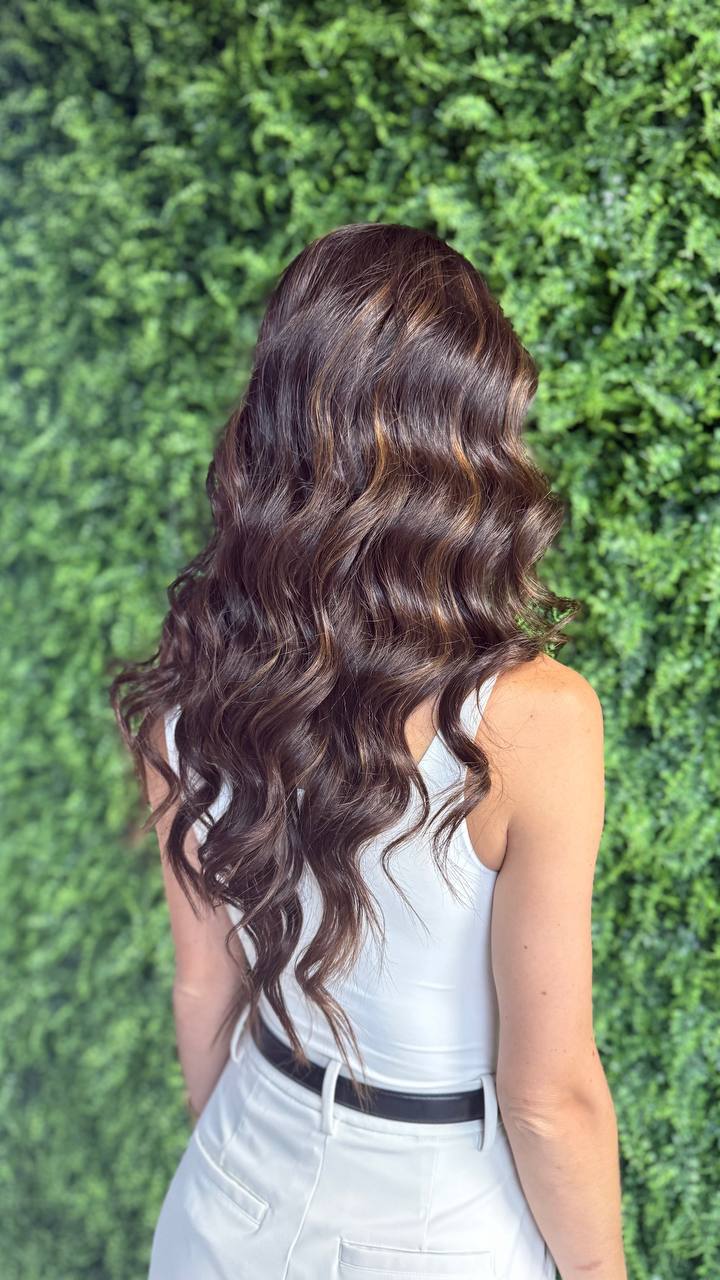
Frizzy hair can be frustrating, especially when you spend time styling your hair only to see it become dry, puffy, or difficult to manage a few hours later. Humidity, heat styling, hair damage, and improper hair care can all contribute to frizz. Fortunately, with the right routine and a few simple changes, you can make your hair look smoother, softer, and healthier.
At Revive Hair Salon LA, we believe beautiful hair starts with understanding what your hair needs. Whether you have naturally curly hair, straight hair, or color-treated hair, learning how to manage frizz can help you maintain a polished look between salon visits.
What Causes Frizzy Hair?
Frizz occurs when individual strands of hair become rough, dry, or uneven, allowing moisture from the surrounding air to affect the hair's shape. Several factors can contribute to this problem.
Humidity: When the air contains a lot of moisture, hair can absorb water from the environment. This can cause strands to swell and disrupt a smooth hairstyle, particularly if your hair is naturally wavy or curly.
Dryness: Hair that lacks sufficient moisture and conditioning may feel rough and appear frizzy. Frequent washing, harsh shampoos, and environmental exposure can contribute to dryness.
Heat styling: Regular use of flat irons, curling irons, and hot blow dryers can damage the hair's outer protective layer, especially when you use high temperatures without heat protection.
Chemical treatments: Bleaching, coloring, and other chemical processes can leave hair more vulnerable to breakage and dryness when not properly maintained.
Friction: Rubbing your hair with a towel, brushing it aggressively, or sleeping on rough fabrics can create friction that increases frizz and breakage.
Understanding the cause of your frizz is the first step toward choosing a routine that works for your hair type.
7 Ways to Get Rid of Frizzy Hair at Home
You do not necessarily need an expensive collection of products to improve the appearance of frizzy hair. Consistent care and gentle styling habits can make a noticeable difference.
1. Use a Moisturizing Shampoo and Conditioner
Choose a shampoo that cleans your scalp without leaving your hair feeling excessively dry. Follow with a conditioner that helps soften and detangle your strands.
Concentrate conditioner on the mid-lengths and ends, where dryness and damage are often more noticeable. If your hair is fine, use a lightweight formula to avoid weighing it down.
Your ideal products depend on your hair texture, scalp condition, and whether your hair is color-treated.
2. Avoid Rubbing Your Hair With a Towel
Vigorously rubbing wet hair can increase friction and contribute to frizz and breakage. Instead, gently squeeze excess water from your hair with a soft microfiber towel or a clean cotton T-shirt.
Avoid twisting your hair tightly while it is wet. Wet strands are more vulnerable to damage, so handle them gently.
3. Apply a Leave-In Conditioner
A leave-in conditioner can help improve softness, make detangling easier, and reduce the appearance of flyaways.
Apply a small amount to damp hair, focusing on the lengths and ends. Fine hair may need only a little product, while thick or coarse hair may benefit from a richer formula.
Start with a small amount and adjust based on how your hair responds.
4. Use Heat Protectant Before Styling
If you regularly use a blow dryer, curling iron, or flat iron, apply a heat protectant designed for your hair type before styling.
Whenever possible, use a moderate temperature and avoid repeatedly passing a hot tool over the same section. Excessive heat can worsen dryness and damage over time.
You can also experiment with air-drying techniques or heatless hairstyles to reduce your reliance on hot tools.
5. Choose the Right Hairbrush
Brushing technique matters when managing frizz. Use a suitable brush or wide-tooth comb and work through tangles gently, starting near the ends and moving upward.
For naturally curly or wavy hair, detangling while the hair is wet and conditioned may help preserve your curl pattern. Brushing dry curls can separate the strands and create additional volume and frizz.
6. Try a Hair Mask Once a Week
A conditioning hair mask can help improve softness, manageability, and the appearance of dry hair.
Choose a formula suited to your texture and level of damage. Follow the product instructions, since leaving a mask on longer than recommended does not necessarily provide better results.
If your hair is fine, avoid applying heavy treatments too close to the roots.
7. Protect Your Hair While Sleeping
Nighttime friction can make your hair look messier and more frizzy in the morning.
Consider sleeping on a satin or silk pillowcase, loosely securing long hair, or using a satin bonnet if it suits your hairstyle. Avoid tight hairstyles that pull on the roots or place unnecessary tension on your strands.
These small habits can help reduce tangling and make your morning styling routine easier.
How to Reduce Frizz After Washing Your Hair
The way you handle your hair immediately after washing can influence how it looks once it dries.
Start by gently removing excess water. Apply your leave-in conditioner or styling product while your hair is still damp, distributing it evenly without overloading the strands.
If you are blow-drying your hair, use a heat protectant and direct the airflow down the hair shaft. A suitable nozzle attachment and a controlled drying technique can help create a smoother finish.
For wavy or curly hair, consider using a diffuser and avoiding excessive touching while the hair dries. Repeatedly running your fingers through drying curls can disrupt their shape.
Finish with a small amount of smoothing serum if needed. Focus on the ends and areas where flyaways are most noticeable.
Remember that the best technique depends on your hair texture. A routine that works well for straight hair may not produce the same results on tight curls.
Does Heat Styling Make Frizzy Hair Worse?
Heat styling can contribute to frizz when tools are used too frequently, at excessively high temperatures, or without appropriate protection.
High heat can weaken the hair fiber and contribute to dryness, roughness, and breakage. Once hair is significantly damaged, products may improve its appearance and manageability but cannot completely restore the original structure of the damaged strand.
To reduce the risk of damage:
- Use a heat protectant before applying heat.
- Choose the lowest effective temperature for your hair type.
- Avoid repeatedly straightening or curling the same section.
- Give your hair regular breaks from hot styling tools.
- Maintain a conditioning routine that suits your hair's needs.
If your hair has become increasingly brittle or difficult to style, consider discussing your styling routine with a professional hairstylist.
Professional Salon Treatments for Frizzy Hair
Home care can help manage frizz, but some people prefer professional styling or personalized advice to achieve their desired look.
A professional hairstylist can assess your hair texture, existing damage, styling habits, and goals before recommending an appropriate approach.
Depending on your needs, options may include:
Professional blowout: A salon blowout can create a smoother, more polished appearance for a special event or everyday styling. Results and longevity vary depending on your hair type and the surrounding humidity.
Deep conditioning: A professional conditioning treatment may help improve softness, reduce tangling, and make dry hair easier to manage.
Haircut and shaping: Removing damaged ends and choosing a haircut suited to your natural texture can improve how your hair sits and styles.
Personalized hair care advice: A stylist can help you choose appropriate products and techniques for your hair type, whether you have fine, thick, straight, wavy, or curly hair.
Some smoothing services use specialized formulas or chemical processes. Before choosing one, ask about the ingredients, maintenance requirements, expected results, and potential effects on color-treated or damaged hair.
If you are looking for a polished style, explore the blow dry and wash service in Sherman Oaks to learn more about professional hair styling.
How to Keep Your Hair Smooth in Humid Weather
Humidity can make even carefully styled hair appear frizzy. While you cannot control the weather, you can adjust your routine to help your hairstyle last longer.
First, choose products that are appropriate for your hair type and the local climate. A lightweight anti-frizz serum or humidity-resistant styling product may help keep strands more manageable.
Avoid applying too much product, which can make your hair feel greasy or heavy. If your hair is naturally curly, use styling products that support your curl pattern rather than trying to force your hair into a completely different texture.
After styling, try not to touch your hair constantly. Handling it throughout the day can increase friction and disrupt the finished look.
For longer-lasting results, protect your hair from unnecessary moisture and follow a consistent conditioning routine. Keep in mind that no styling product can guarantee completely frizz-free hair in every weather condition.
Frequently Asked Questions About Frizzy Hair
Why is my hair so frizzy even after washing it?
Your hair may be naturally prone to frizz, or it may be affected by dryness, humidity, heat damage, or the products you use. Try a suitable conditioner, gentle towel-drying, and a leave-in product. If the problem continues, review your routine with a hairstylist.
What is the best product for frizzy hair?
There is no single product that works for everyone. Leave-in conditioners, smoothing serums, moisturizing conditioners, and anti-frizz styling products can all help, depending on your hair texture and needs.
How can I get rid of frizzy hair naturally?
Use gentle washing techniques, condition regularly, avoid rubbing your hair with a towel, reduce excessive heat styling, and detangle carefully. These habits can improve manageability without requiring a complicated routine.
Does cutting your hair reduce frizz?
A haircut can remove damaged or split ends and help your hair look healthier and more controlled. However, it will not eliminate frizz caused by humidity or your natural hair texture.
Is frizzy hair a sign of damaged hair?
Not always. Naturally curly, wavy, and textured hair can become frizzy even when it is healthy. However, excessive dryness, breakage, and roughness may indicate damage that deserves attention.
How often should I use a hair mask?
Follow the instructions for your specific product. Many conditioning masks can be used weekly, but the ideal frequency depends on your hair type, condition, and the formula.
Can a salon blowout help control frizz?
A professional blowout can temporarily create a smoother, more polished finish. How long it lasts depends on your hair texture, styling technique, aftercare, and humidity.
Get Smoother, More Manageable Hair
Frizzy hair does not have to make your daily styling routine difficult. The right shampoo, conditioner, gentle drying techniques, heat protection, and consistent care can all help improve your hair's appearance.
If you are unsure which products or styling methods are right for you, a professional hairstylist can help you develop a routine tailored to your hair type and goals.
Visit Revive Hair Salon LA to explore professional styling options and discover ways to keep your hair looking its best. With the right approach, you can enjoy softer, more manageable hair and a style that works for your everyday life.